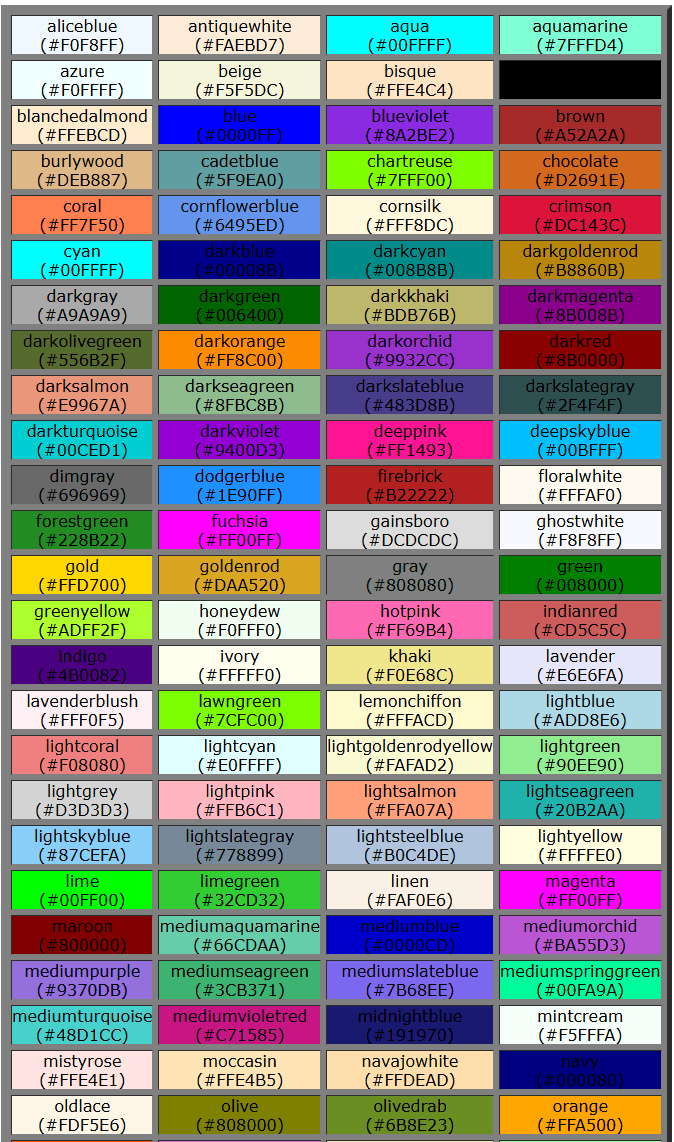
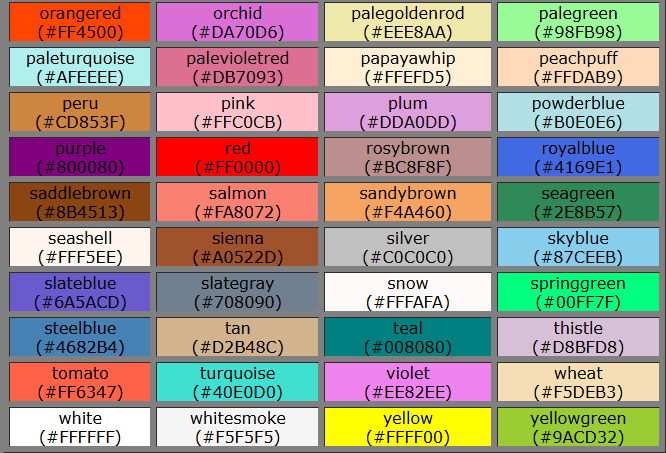
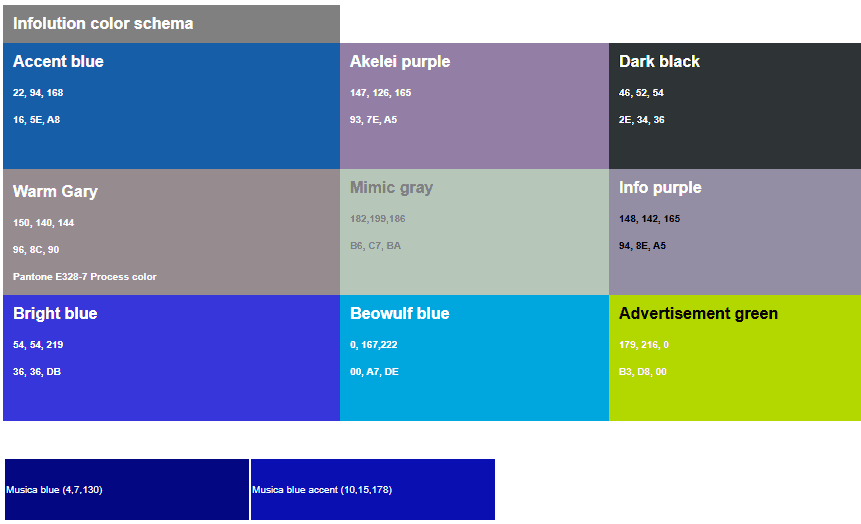
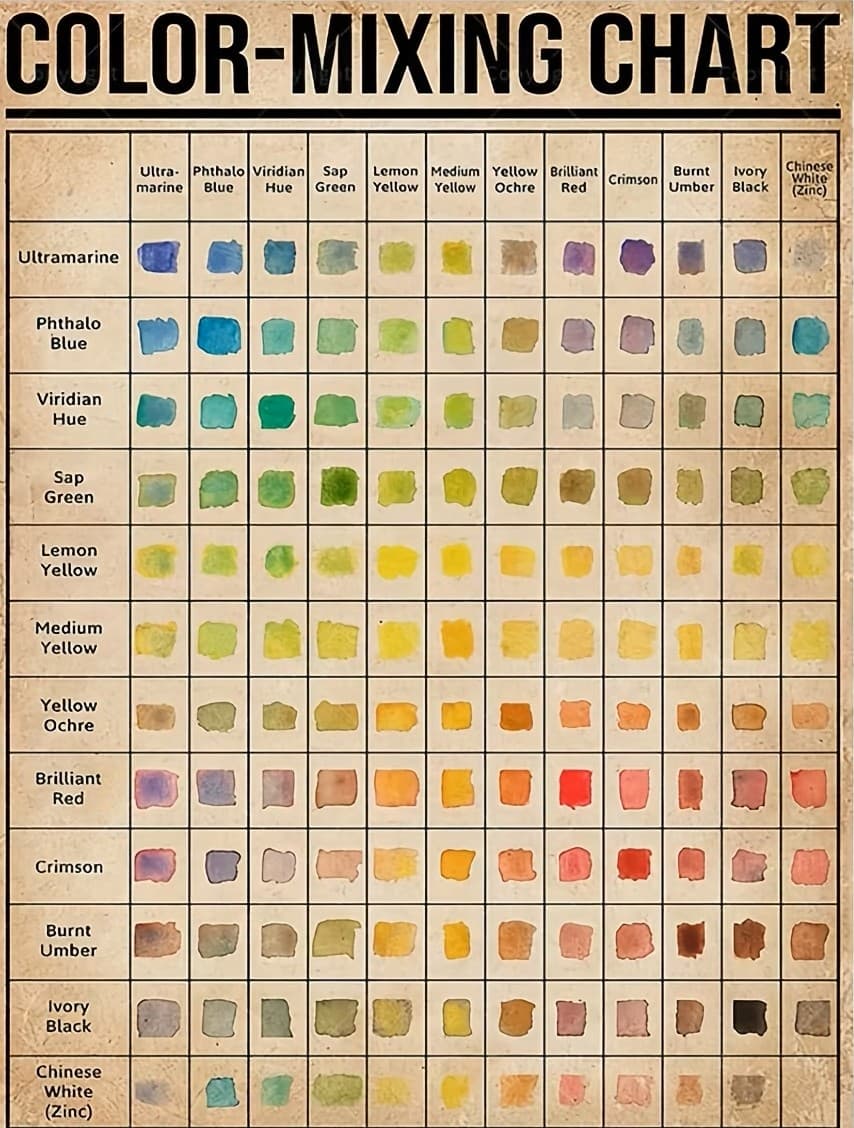
Colors
[[50+ Shades of Lavender Color (Names, HEX, RGB & CMYK Codes) – CreativeBooster|Shades of Lavender Color]] Discover all of the different shades and hues of lavender.
Symbolics color names
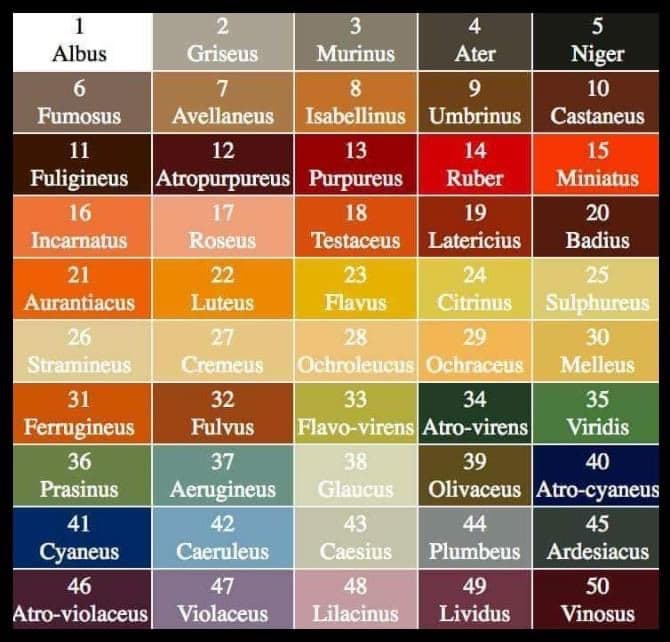
Ruri in Japan and elsewhere as lapis lazuli, this deep blue color Petrol Khaki Burgundy Mustard Lilac Snow white Ivory Pearl New black Cool black Liquorish Royal blue Brilliant yellow Law enforcement blue Platinagrijs Ijsblauw AquaBlue Indigo blauw Midnight gray Storm gray Sterling gray Selenium blue 76, 109,141 Vermillion red Bosbessen blauw Carbon black Blaze Slate Gray Black pearl Diablo red Estoril blue Chameleon Bad boy black (hi gloss) Amethyst Emerald Ruby Sapphire Topaz Charcoal gray Cotton white Ceramic white Tiefschwarz Darth Vader black Appel Olijve Zonnegeel Mandarijn Gemêl Grijs Zandkleurig Middelblauw Sering Marine Cassis
252 172 176 RED 246 29 37 170 202 236 BLUE 62 135 213 191 253 246 GREEN 6 194 171 253 246 191 YELLOW 249 217 25
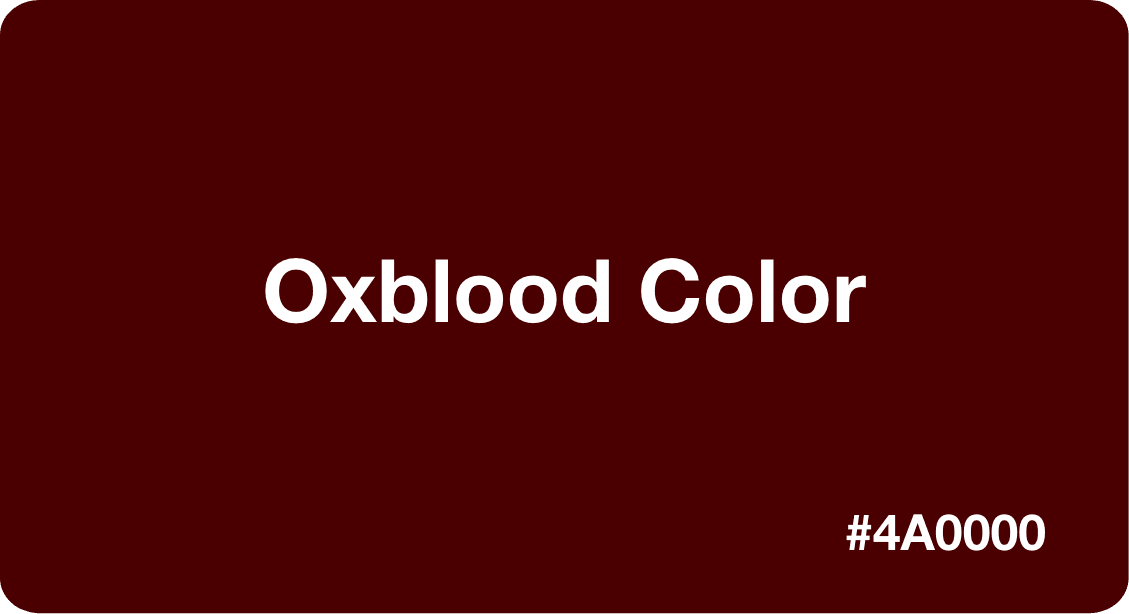
Sang de bœuf Oxblood is a dark shade of red with the hex code # 4A0404, created solely from red in the RGB color system.
Orange
Orange can be a very strong and energetic color. Like yellow and red, it can be very attention-grabbing, which is perhaps why it is often used in advertising. People often describe the color orange as bright, happy, and uplifting. In some cases, however, it can seem too bright and overwhelming. Much like purple, orange tends to be a controversial color. People tend to either love it or hate it.
Orange Is Energetic: it is often described as an energetic color. It may call to mind feelings of enthusiasm and excitement. Because orange is a high-energy color, many sports teams use orange in their uniforms, mascots, and branding. Orange Is Attention-Getting: One study found that orange is considered a highly stimulating but friendly color. It is an attention-grabbing color that tends to stand out visually, which is why it is often used for traffic signs and advertising. This research showed that longer-wavelength colors, such as orange and red, tend to induce higher levels of arousal. Orange Is Happy: People also commonly describe the color orange as bright, happy, and joyful. Orange is the color of bright sunsets and fruits like oranges and tangerines, so many people might associate the color with the beauty of the setting sun or the refreshing taste of citrus. Orange Is Spiritual: The color orange is often associated with spiritual practices, including meditation and compassion. Orange Is Autumnal: Orange is also linked to autumn and the color of dying leaves and pumpkins. In the United States, the color is also heavily linked to Halloween, so it can sometimes have a dark or even cartoonish association.
Psychology of the Color Orange
Orange is a combination of red and yellow. Both colors are often associated with excitement and energy, which is why orange is also often described as an energetic color. Specific shades of orange can have different associations and meanings. Bright orange is attention-grabbing, whereas peach can be soft, subtle, and calming. A warmer, burnt orange may call to mind fire and heat.
Orange symbolized many different things to different people. Some common associations include:
- Optimism
- Energy
- Positivity
- Attention
- Warmth
- Luxury
- Prestige
- Creativity
- Hopelessness
- Deceit
- Impatience
- Pride
- Youthfulness
- Happiness
How the color orange is used can impact what it symbolizes. A warm orange paired with golds and deep reds might call to mind a setting sun or the vibrant color of Autumn leaves. A drab orange paired with blacks and browns might instead bring to mind sadness, decay, and death.
Positive Emotional Associations:
- Warmth and Energy: Orange is a warm, inviting color often linked to feelings of comfort and vitality.
- Enthusiasm and Excitement: It is an energetic color that can stimulate feelings of excitement, exuberance, and zest for life.
- Happiness and Cheerfulness: Orange is associated with joy, optimism, and a cheerful outlook.
- Creativity and Transformation: Some cultures view orange as a spiritual color of illumination and transformation, and it can foster creativity.
- Social Connection: Its warmth and welcoming nature can make people feel more sociable, outgoing, and comfortable with others.
Negative Emotional Associations:
- Impatience and Arrogance: On the negative side, orange can sometimes evoke feelings of pride and impatience.
- Superficiality: It can also be associated with being superficial or overly bold.
How Shades of Orange Influence Emotion:
- Bright Orange: This shade is highly attention-grabbing, often used for warnings and to create a sense of urgency.
- Burnt Orange: This color is reminiscent of fire and heat, evoking feelings of warmth but also potentially suggesting danger or the intensity of an autumn season.
- Peach and Soft Oranges: These lighter shades are more subtle, offering a soothing and calming effect.
The complementary color for orange is blue.